Explore the meviy blog for practical design tips, manufacturing insights and the latest developments in digital manufacturing. Discover how to optimise your CAD designs, streamline procurement and bring your parts to production faster.
Surface roughness describes the fine irregularities of a machined surface and is usually given as Ra, the arithmetic mean roughness in micrometres (µm). It affects how parts fit, slide, seal, wear and look —...
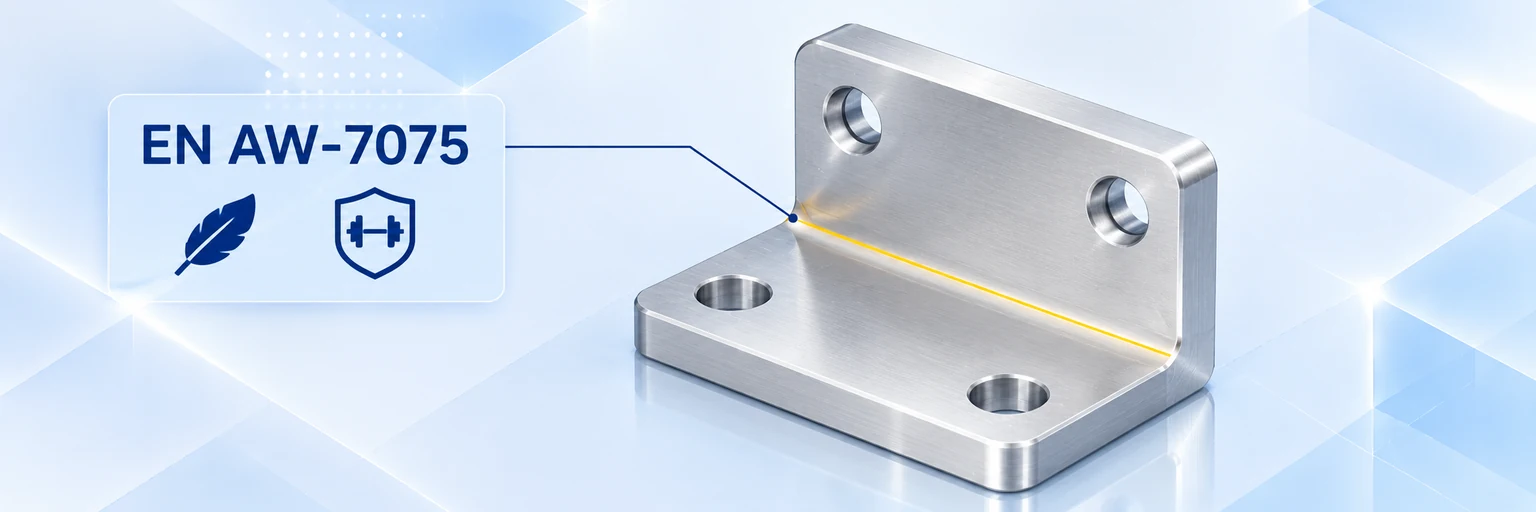
7075 aluminium (EN AW-7075) is one of the strongest aluminium alloys available. Alloyed mainly with zinc, magnesium and copper and heat-treated to the T6 condition, it reaches tensile strengths of over 500 MPa —...
Mechanical mechanisms are assemblies of parts — such as screws, belts, gears, cams, linkages, pulleys and flywheels — that convert one type of motion into another or transmit and amplify force in a controlled,...
Metal hardness is a material's resistance to permanent indentation and wear. It determines how a part performs in use — and how difficult it is to machine. Hardness is measured with standardised tests such...
Sheet metal shearing — also called shear cutting — is a cold cutting process that separates sheet metal along a straight line between two blades, without heat, chips or kerf. It is the fastest...
CNC machining tolerances define how far a machined dimension may deviate from its nominal value — for example 50 ±0.1 mm. They decide whether parts fit together and function, and they have a direct...
PP, ABS and nylon are three of the most widely used engineering plastics — but they behave very differently. In short: PP (polypropylene) is the lightest, most affordable and most chemical-resistant; ABS is tough,...
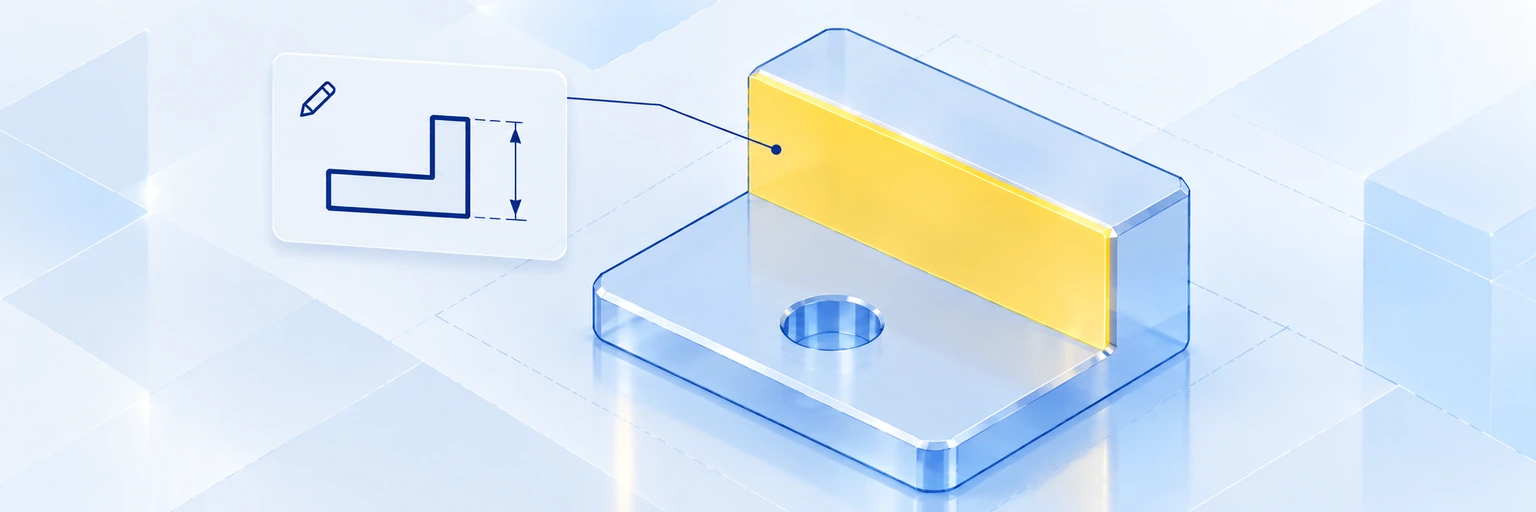
A technical drawing is the language engineers and manufacturers use to describe a part completely: its shape, dimensions, tolerances, material and surface requirements. Anyone who designs, buys, machines or inspects parts needs to read...
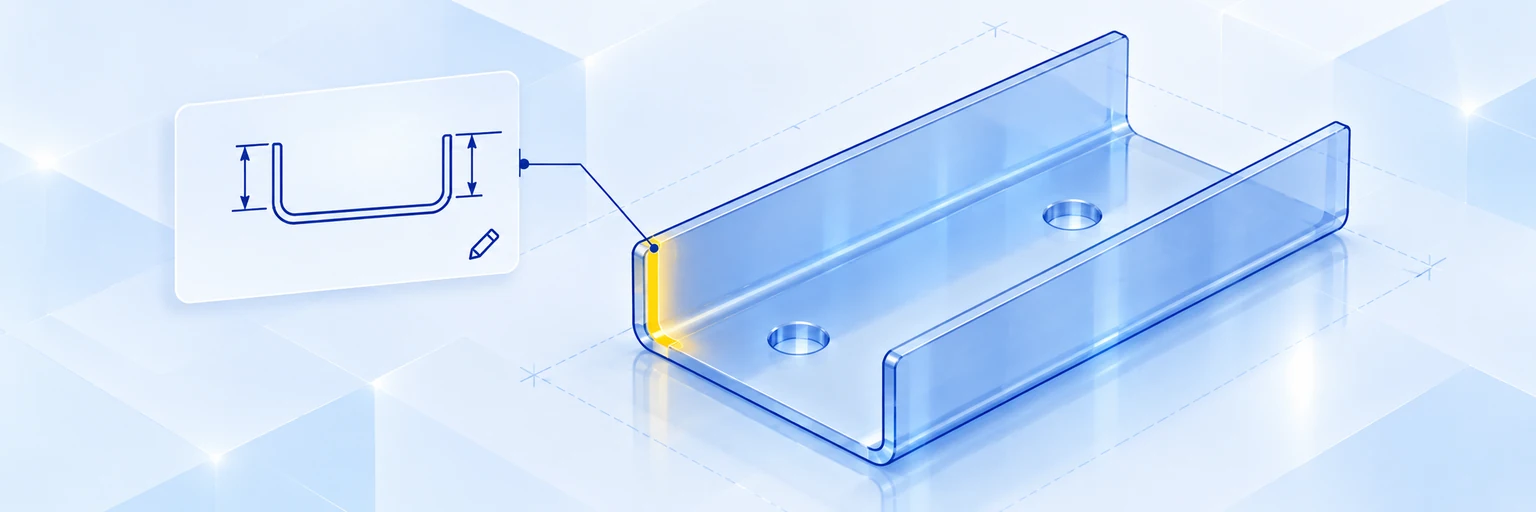
A good sheet metal design guide starts with the drawing. Precise, well-structured sheet metal drawings tell the manufacturer exactly which dimensions, tolerances, materials and edge conditions matter, and they prevent costly errors, rework and...