


MC Nylon: Properties, Grades and Key Advantages

Nylon is a common plastic we come across every day — in consumer goods, food packaging films, and clothing. Different types of nylon are engineered for specific requirements, and one of them was developed specifically to improve the performance of mechanical components in demanding environments: MC Nylon.
Stainless Steel: Types, Grades & Properties for CNC Parts

Stainless steel is a corrosion-resistant steel alloy containing at least 10.5 % chromium. Its unique ability to form a self-healing oxide layer makes it one of the most widely used engineering materials — from food-grade housings and medical instruments to structural brackets and precision-machined components.
SECC vs SGCC: Key Differences in Zinc-Plated Steel
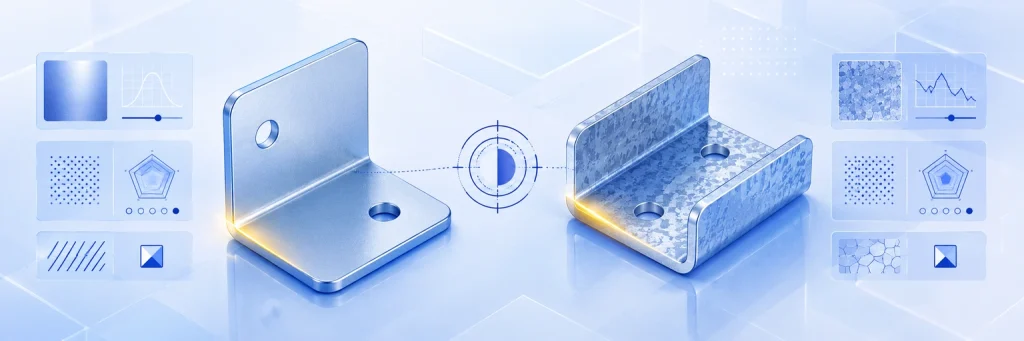
Choosing the right zinc-plated steel can make the difference between a part that lasts and one that fails prematurely. SECC and SGCC are both based on cold-rolled SPCC steel — but their plating methods, coating thickness, and corrosion resistance differ significantly, which directly affects where and how you should use them.
What Is Carbon Steel? Properties, SS400 & Uses
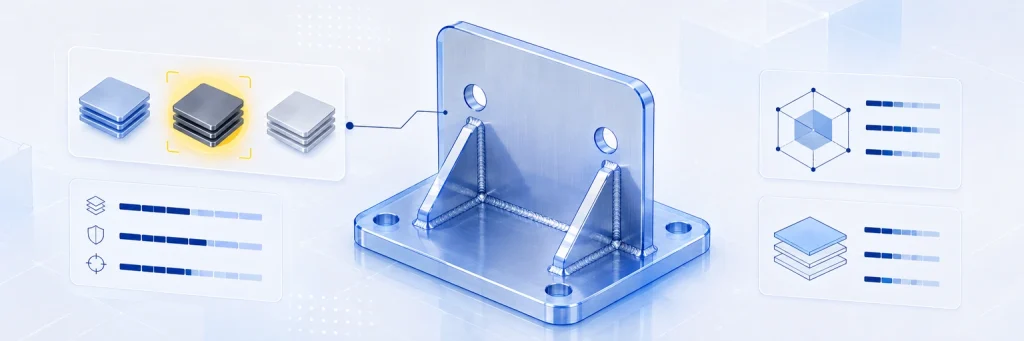
Carbon steel is one of the most widely used materials across industries thanks to its balance of strength, workability, and cost. In this guide we cover what carbon steel is, its properties, and the benefits and drawbacks of its most common grade — SS400.
Transparent Plastics: Types & How to Choose the Right One

Transparent plastics let light pass through with very little reflection or absorption — which is exactly why they turn up everywhere from machine guards to optical lenses. meviy offers a wide range of them for custom mechanical parts, so this guide covers what transparent plastics are, how they’re processed, the five materials you’ll meet most often, and how to choose the right one for your part.
Transparent plastics belong to the family of synthetic polymers. Since they first gained traction in the 1930s they’ve become hugely popular, because they share a genuinely useful set of properties: most are highly transparent, lightweight, impact-resistant, and far easier to mould than glass.