
Metal Finishing: Plating, Anodising, Powder Coating and Paint Explained
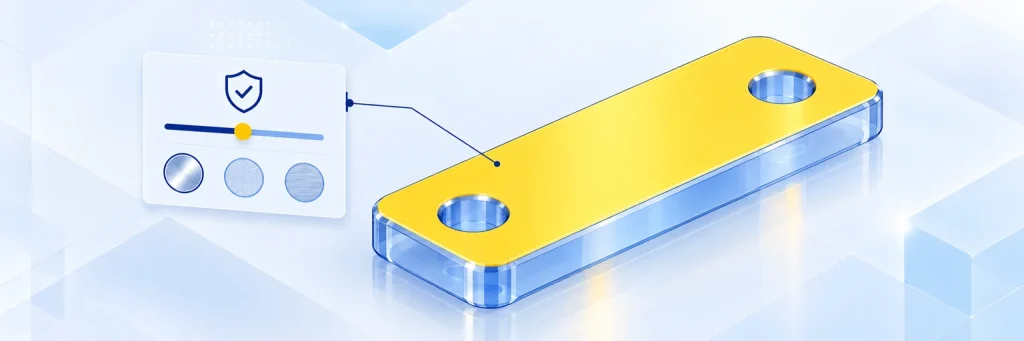
Metal finishing protects parts against corrosion, makes them harder and more wear-resistant, and gives them the colour or appearance they need. Plating, anodising, powder coating and wet paint all achieve this in different ways — and the right choice depends on the base material, the function of the part and its tolerances.
Shim Plates: Types, Materials and How to Choose the Right Shim

A shim plate is a thin piece of material that fills small gaps between parts — to level a fixture, eliminate play or fine-tune the fit of a prototype. Choosing the right material, thickness and shape makes the difference between a quick, precise adjustment and an assembly that never quite fits.
Copper Alloys: Pure Copper, Brass, Bronze and How to Machine Them

Copper is one of the most widely used non-ferrous metals — and together with its alloys brass, bronze and cupronickel, it is a material family every designer should know. Copper alloys combine excellent electrical and thermal conductivity with good formability and corrosion resistance.
Moulding Process: Types of Moulding and How an Injection Mould Works
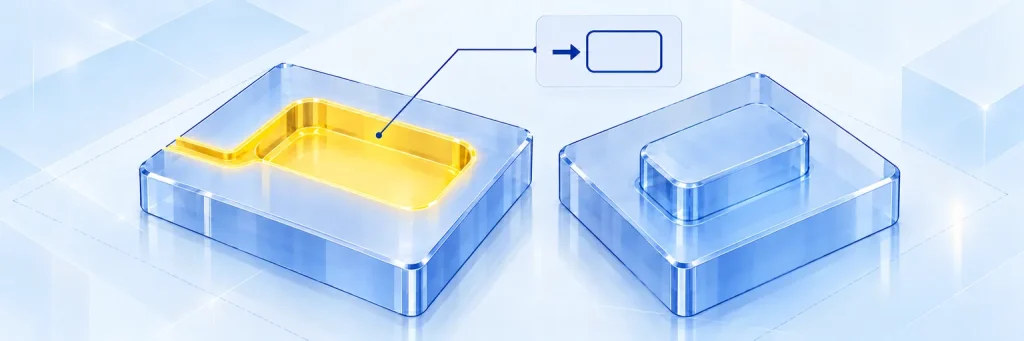
Moulding processes shape material with a mould or die — and they produce a large share of the metal and plastic parts around us, from crankshafts and engine blocks to car body panels and plastic housings. This guide explains how the main moulding processes work, how an injection mould is built, and when a mould pays off compared with machining.
Hot Rolled vs Cold Rolled Steel: SPHC and SPCC Compared
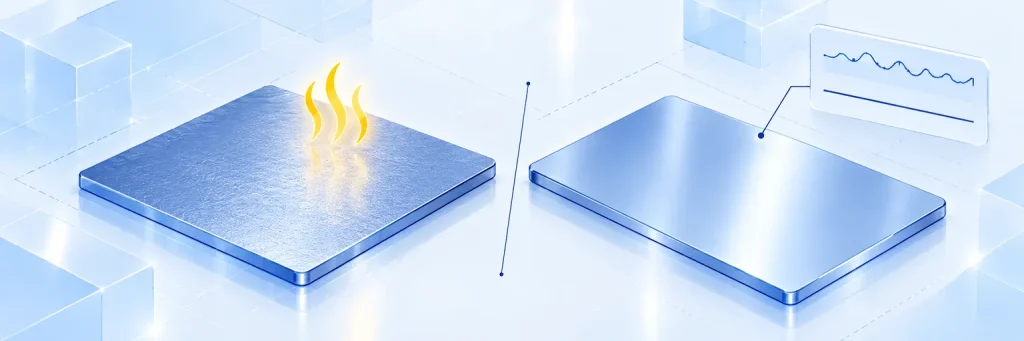
Hot rolled and cold rolled steel sheets are among the most widely used materials in manufacturing. Both are inexpensive and easy to bend and fabricate — but they differ in surface, accuracy and cost. Knowing these differences helps you choose the right sheet for your part.
Rolling Process: Hot Rolling, Cold Rolling and Rolling Mills Explained
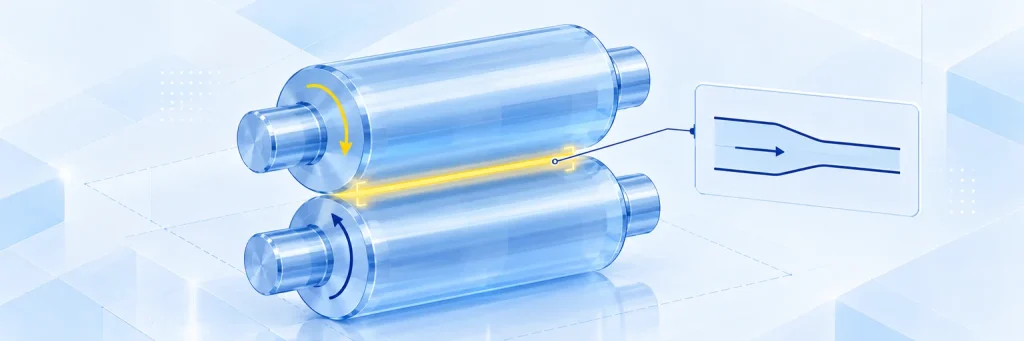
The rolling process shapes metal by passing it between rotating rolls. Instead of producing finished parts, rolling mainly produces the semi-finished materials that almost every other process starts from — sheets, plates, bars and tubes. Its key advantage is the ability to mass-produce uniform metal material quickly and at relatively low cost.
Corner Radius in CNC Milling: Why Inside Corners Are Rounded

A corner radius is the rounded transition where two surfaces of a part meet. In CNC milling, inside corners can never be perfectly sharp — the rotating end mill always leaves a radius behind. Knowing why, and how large that radius should be, helps you design parts that are easier, faster and cheaper to machine.
PEEK Material: Properties, Grades and Design Tips for Machined Parts
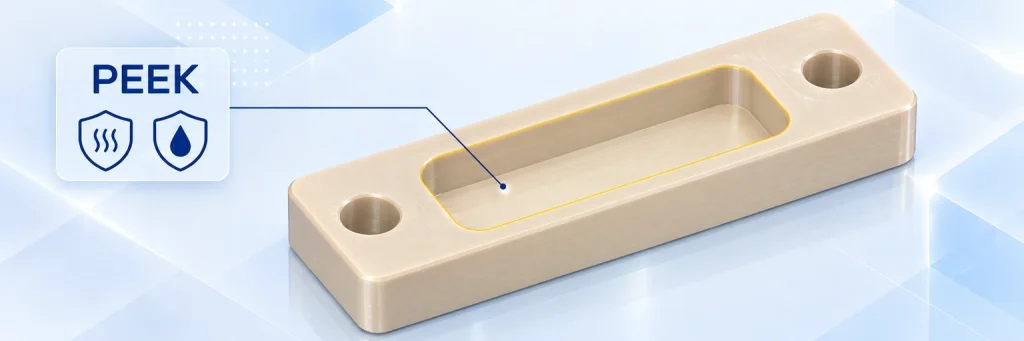
PEEK (polyether ether ketone) is a high-performance thermoplastic that combines a continuous service temperature of up to 260 °C with high strength, excellent chemical resistance and inherent flame retardancy. It is one of the most capable plastics available — and one of the most expensive — which is why it is used where metals are too heavy and standard plastics reach their thermal or chemical boundaries.
Heat Treatment of Steel: Methods, Uses and Design Tips
Heat treatment of steel lets you give a component exactly the properties it needs — a hard, wear-resistant surface, a tough core, or a soft and stress-free structure that is easy to machine. Choosing the right process is key for parts that slide against other components or have to withstand impact.