Projects don't take holidays – save EUR 200

Suppliers close in August. meviy doesn’t. Upload CAD, get EUR 200 off orders above EUR 200. 15 Jul–31 Aug. T&Cs apply.

×

Manufacturing innovation, built into your price

Milling Parts Standard shipping now runs more competitively on orders with larger quantities, powered by smarter automation.

×

Optimising aerospace R&D: digital procurement and CNC prototyping for satellite engineering

In aerospace engineering, the speed of the design-to-part cycle determines progress. For research institutes, rapid iteration is a strategic requirement. The faster a concept is validated, the stronger the position when competing for funding and meeting tight mission timelines. 


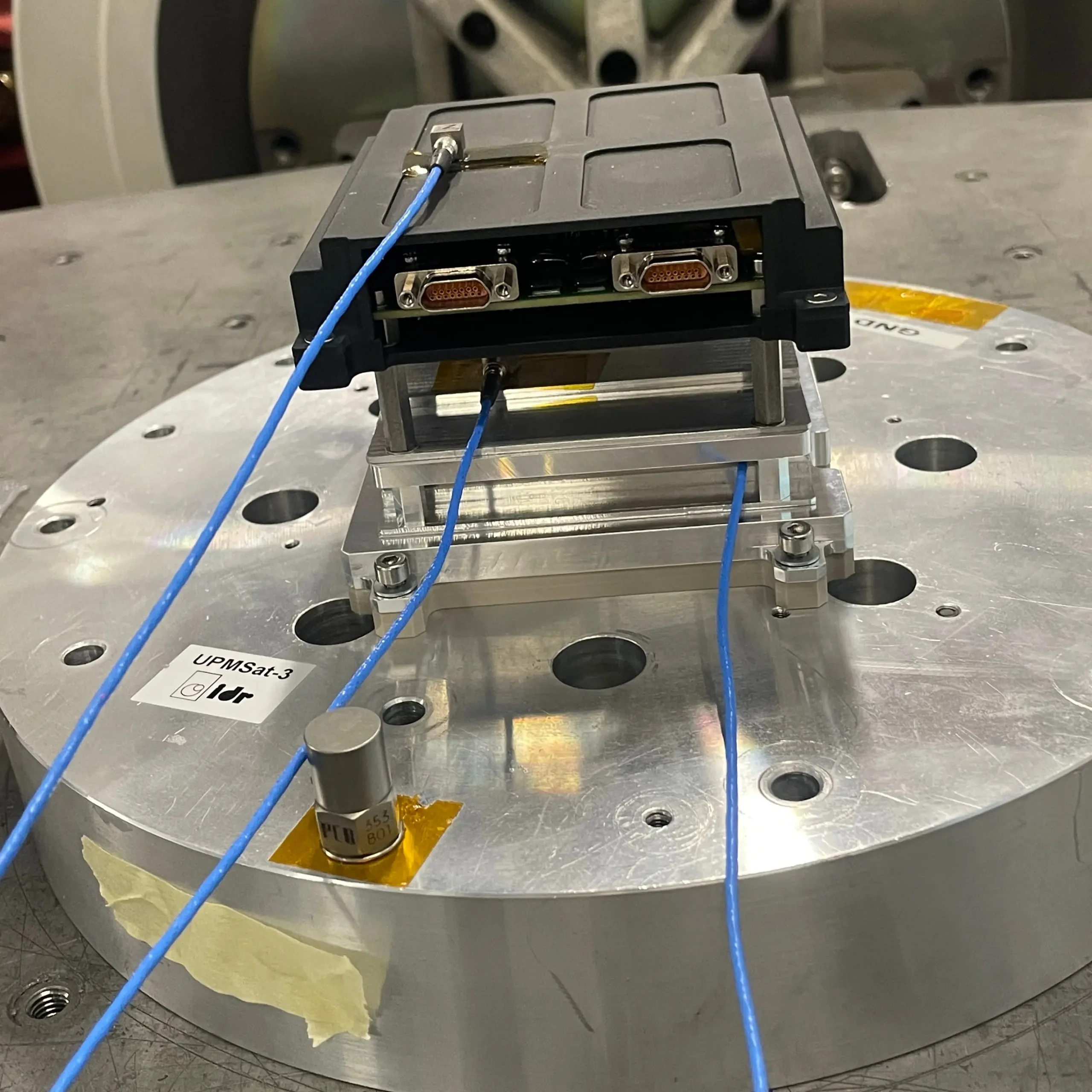
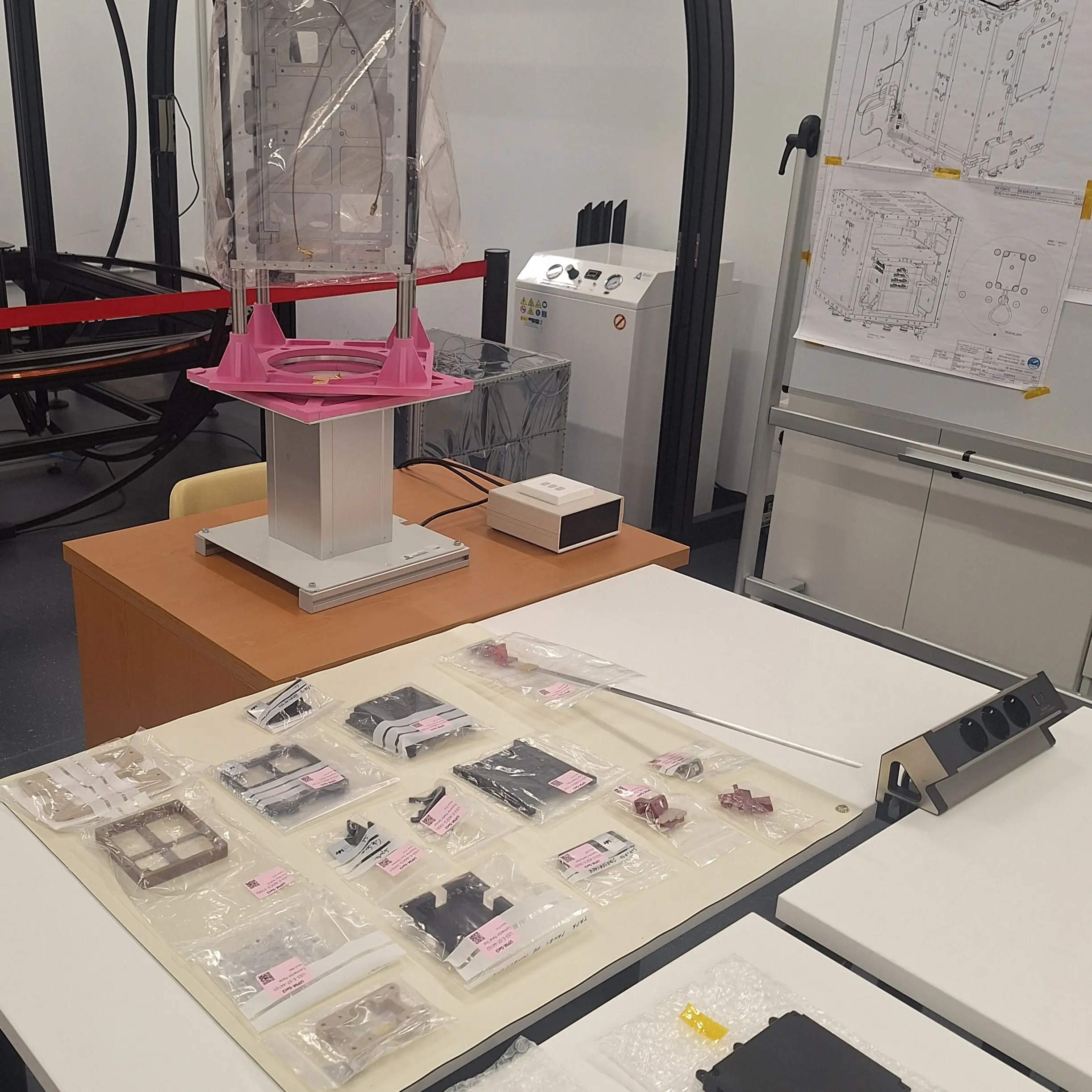
This case study looks at a public university research institute with 15 years of experience in hydrodynamic research and satellite development. Alongside wind analysis for bridges and stadiums, the institute runs an advanced space programme, including the UPM-Sat 3 project. In the European space sector, manufacturing agility provides a clear competitive edge. By adopting automated manufacturing with meviy platform, the institute has removed a prototyping bottleneck and accelerated hardware development.

Profile Summary

Logo_IDR_SIN_TEXTO

Company

Instituto Universitario ‘Ignacio da Riva’. Universidad Politécnica de Madrid.

Industry

Aerospace

Space Engineering

Country

Spain

Use Case

R&D

Prototyping

Service

CNC Milling

Black Anodising

When we want to really have the quality that we need, we always go to meviy. We tested three different companies and the result is much better; the quality is much higher than other online platforms. In aerospace, space-related things have many requirements on everything, and being able to see how design changes impact the price at the very same moment is a very powerful tool for our mission.
IGNACIO TORRALBO GIMENO
Engineer

Operational profile

Customer
Research institute at a public university (Madrid, Spain)
Industry
Aerospace and space engineering
Core challenge
– High-frequency design iterations for satellite components.

– Limited internal machining capacity.

– Heavy administrative burden in public procurement
Why was meviy selected as the partner?
– Moved to meviy due to instant quotation via STEP upload.

– Manufacturing quality exceeded tested competitors.

– Built on a 15-year relationship with MISUMI.
Capabilities used
– Limited availability On-demand CNC milling
   (aluminium, stainless steel, plastics).

– Specialised surface treatment (black anodising).

– Automated CAD-to-order workflow.
Quantified results
– Lower component costs, often below internal production.

– Removal of manual quotation loops.

– Support for batch size of one.

– Compliance with European Space Agency (ESA) standards.

Before meviy

The development of satellite components requires an exceptionally fluid R&D environment. Designs are rarely static; they evolve through continuous testing and student led refinements. Traditional manufacturing methods frequently fail to synchronise with this iterative rhythm, creating a disconnect between engineering theory and physical output.

The institute faced two primary operational constraints:


  • Limited internal capacity: Internal equipment consisted of small machines and routers that lacked the rigidity needed for space grade aluminium and stainless steel. Researchers also spent time troubleshooting machining issues. Each hour spent on this reduced time available for advanced aerospace R&D.
  • Administrative friction and procurement delays: As a public institution, procurement required strict compliance and extensive paperwork. Every design change triggered a manual quotation process. Local workshops often resisted single part orders or applied high setup costs, leading to budget uncertainty and delays.
 

These issues increased risk. Inadequate equipment or unreliable suppliers could result in prototypes that failed ESA certification. Weekly design changes conflicted with multi week procurement cycles, putting the UPM Sat 3 launch schedule under pressure.

Decision point: why was meviy selected as the manufacturing partner for this project?

The institute needed a solution that connected digital design directly to physical prototyping without the delays associated with traditional workshops. Internal production was not viable. The team lacked full-time CNC specialists, and existing equipment did not meet the precision required for aerospace components. Local workshops were also unsuitable. They resisted single-part orders and applied high setup costs to individual pieces.

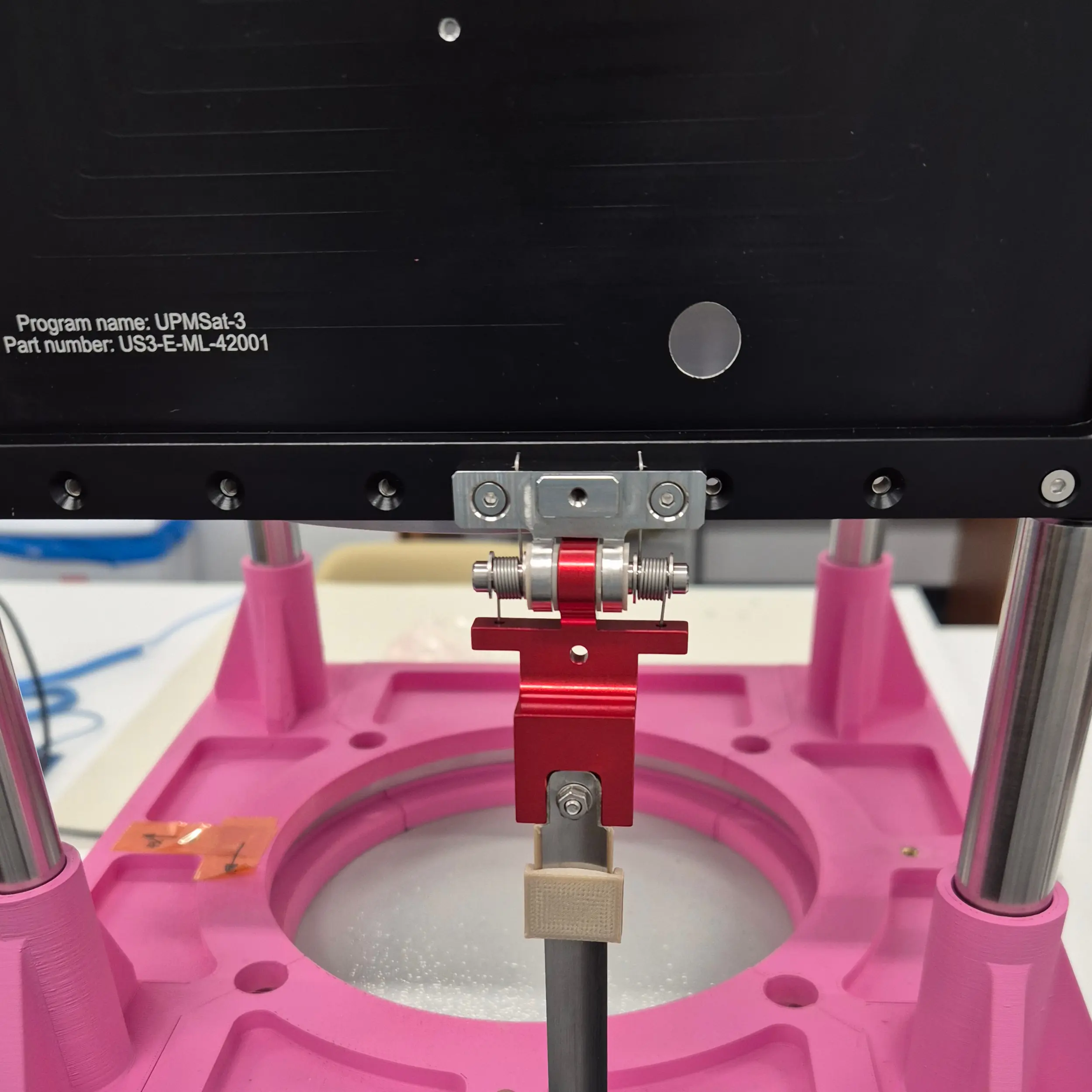
The institute tested three online platforms. The quality delivered did not meet aerospace standards. The team selected meviy for its instant quotation via STEP file upload. Researchers can assess cost and lead-time implications immediately after a design change. The platform also provides access to professional CNC capacity and specialised surface treatments, including black anodising required for space thermal control.

After meviy: the workflow in practice

The institute replaced manual quotation cycles with an automated digital workflow. Researchers upload STEP files directly to the platform and receive immediate pricing and manufacturability feedback. They revise the CAD model and place a new order within the same week where required. This structure supports student-led projects, where design changes occur frequently.


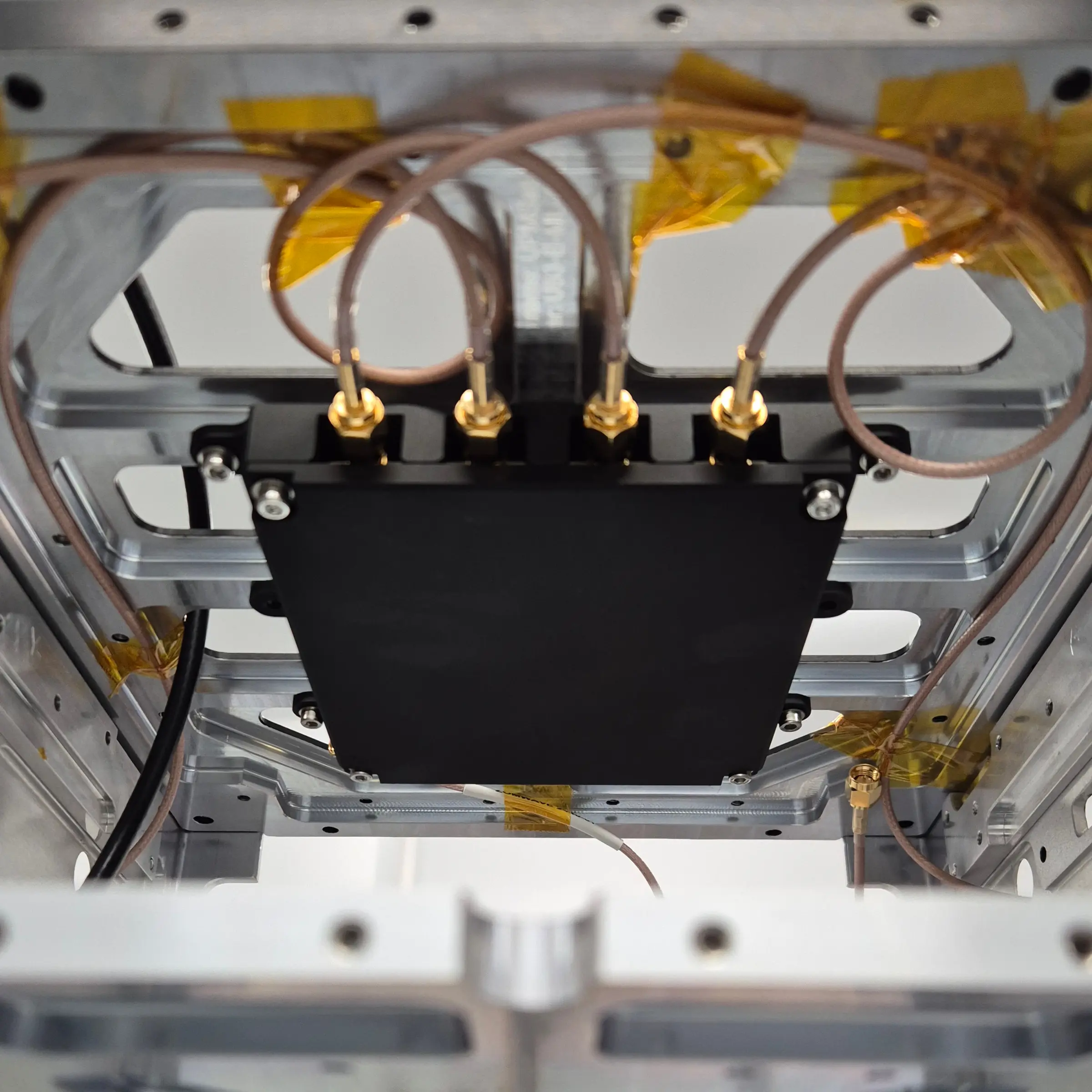
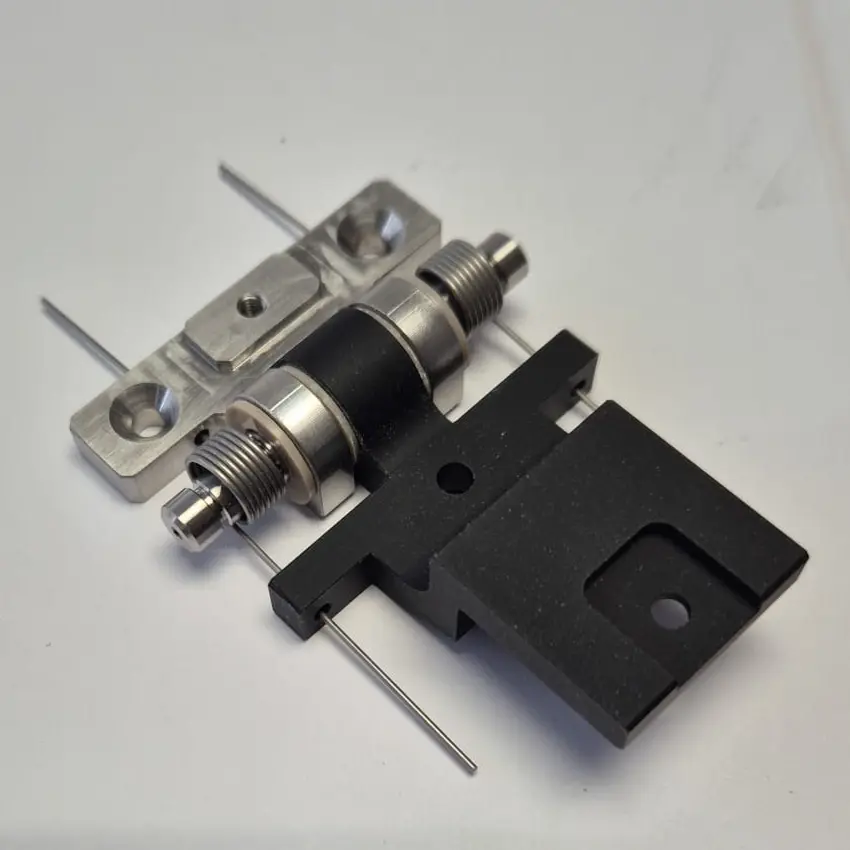
Satellite components required defined thermal optical properties, including infrared emissivity and solar absorption. The team specified black anodising for aluminium parts to meet these functional requirements. The treatment serves thermal control purposes rather than appearance.


Manufacturing includes on-demand CNC milling in aluminium and stainless steel to aerospace tolerances. The team retains 2D drawings internally to ensure documentation complies with ESA and ISA standards. For non-urgent laboratory components, they select a 25-day delivery option to manage budget.

Proof: measurable results

The transition delivered measurable improvements across financial and operational domains. By eliminating the “hidden costs” of administrative friction and internal troubleshooting, the institute found that outsourced components were often more cost-effective than those produced internally.
Metric
Before meviy
With meviy
Quotation time
Several days
Immediate upon upload
Minimum order
High setup cost
Batch size of one
Manufacturing quality
Below required standard
Higher than three tested competitors
Surface finishes
Limited availability
Black anodising available for single parts

What did we learn from ETSI Aeronauticos?

For us, it has completely changed how we deal with manufacturing all of these small parts. We iterate a lot. Now we update the CAD model directly in the platform and receive an instant quotation without contacting anyone.

When we require the quality we need, we use meviy. We tested three companies. The quality here is higher than other online platforms. Being able to see how design changes affect price immediately is valuable for our mission.

As a public university research institute, procurement normally involves extensive paperwork. Now the cost is significantly lower than before. In some cases, it is cheaper to order through the platform than to produce internally.

Broader business implications

This case illustrates how digital manufacturing infrastructure supports high-precision R&D.


  • Faster NPI cycles: Engineers move from design to physical testing within days rather than weeks.
  • Reduced capital expenditure: Organisations avoid investment in advanced CNC equipment and dedicated operators.
  • BOM optimisation: Instant pricing feedback allows engineers to adjust geometry or material before ordering.
  • Supply stability: Single-part orders remain viable without reliance on local workshop availability.


For organisations operating in aerospace, medical devices, or robotics, iterative development depends on manufacturing that matches design speed.

Forward look

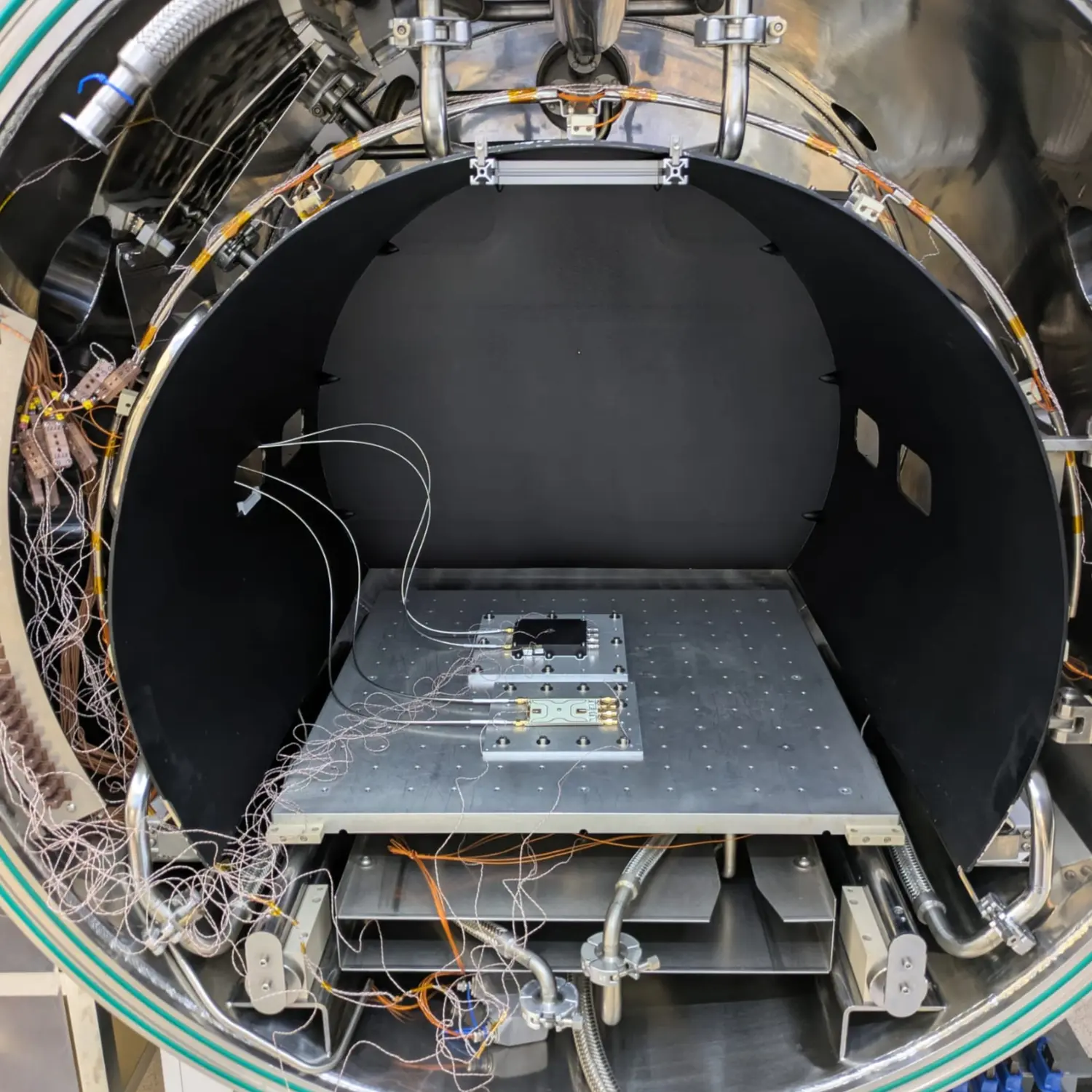
Looking ahead, the institute plans to deepen this partnership through the joint characterisation of thermal optical properties for surface treatments. This initiative will further align the manufacturing process with stringent ESA requirements, allowing for design decisions based on high-fidelity empirical data.